The short answer
DIY skincare can be safe when it's well formulated and made with care. Water-free products like oils, balms and butters are the simplest to make at home. Anything with water needs a preservative. Always patch test, use clean tools, label your batches and change one thing at a time.
Natural doesn't mean automatically safe
It's easy to think that anything from a plant must be gentle. It isn't always. Essential oils are concentrated and can irritate skin, and some plants cause allergic reactions. What keeps homemade skincare safe is the same thing that keeps any skincare safe. Good formulation, sensible amounts and clean making.
Start with water-free products
Products without water are the friendliest place to start. Formulators call them anhydrous.
- Lip balm
- Body butter
- Body and hair oils, including infused oils
- Solid deodorant sticks
Bacteria and mold need water to grow. Without it, the main risk is the oils going rancid over time, and good storage slows that down.
Anything with water needs a preservative
Lotions, creams, toners, sprays and anything you mix with water or a floral water need a broad-spectrum preservative, used correctly. Without one, a cream can grow bacteria and mold within days, often before you can see or smell anything. The fridge slows this down but doesn't stop it.
Vitamin E is an antioxidant. It helps oils stay fresh for longer, but it doesn't preserve a product that contains water, and neither do essential oils.
If you're new, start water-free and come back to creams once you understand preservatives.
Make in a clean space
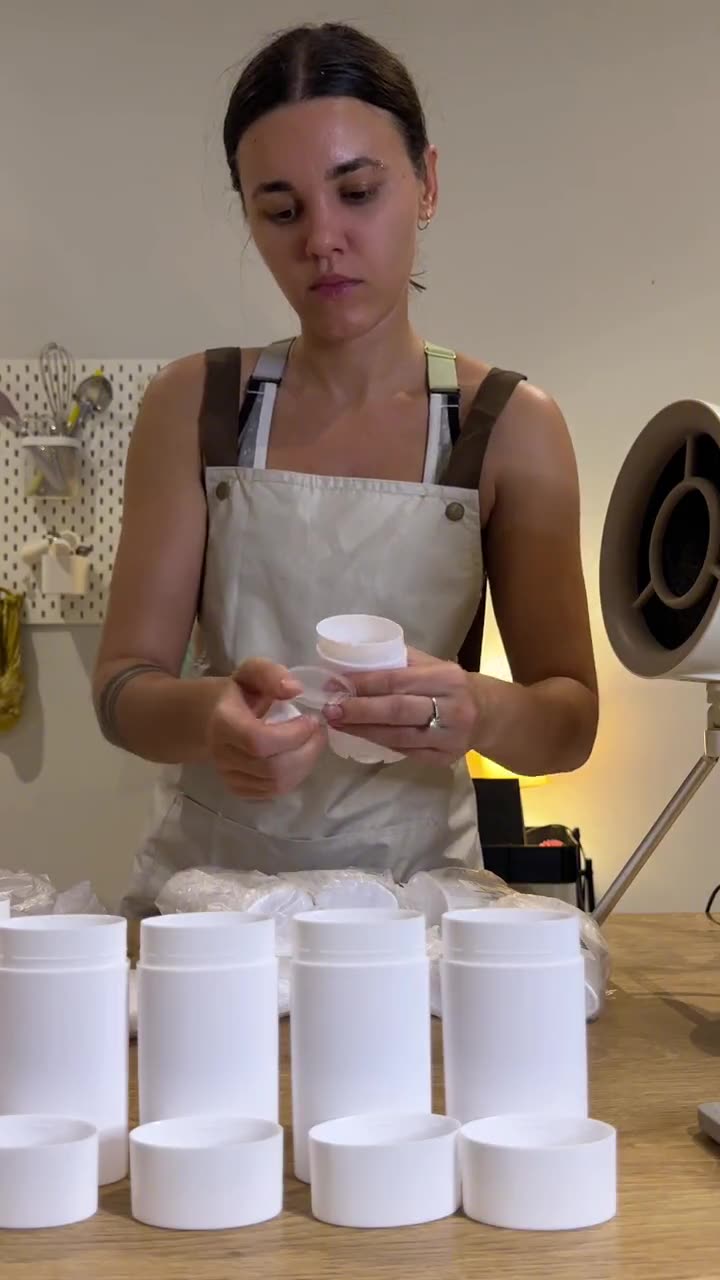
- Wash your hands and wipe down your counter.
- Wash tools and containers in hot soapy water, rinse, dry them fully, then wipe them with rubbing alcohol and let it evaporate.
- Keep separate tools for making, not the ones you cook with.
- Keep water out. Even a few drops in a jar of oil can cause trouble.
Patch test everything new
Before you use something new, apply a little to the inside of your forearm and wait 24 to 48 hours. If you see redness, itching or swelling, don't use it.
Do this even with ingredients you've used before, because a new combination can behave differently.
Respect essential oils
Essential oils are the ingredients most likely to cause trouble. Use them at low, well-researched amounts, never put them on skin undiluted and keep them away from your eyes. Some aren't suitable during pregnancy or for children. If in doubt, leave them out. Unscented versions of most products work just as well.
Label and date every batch
Write the product name, the date and the ingredients on every container. You'll know how old it is, and if someone reacts, you'll know what to look at. This matters most when you give your makes as gifts.
Change one thing at a time
When you adjust a formula, change one ingredient or one step per batch. That's how you learn what each ingredient does, and if something goes wrong, you'll know why.
When to check with a professional
Homemade skincare is a hobby, not a treatment. If you have a skin condition, an allergy or a reaction that doesn't settle, please see a doctor or a dermatologist.
Learn the basics first
Safety basics, including why dose matters, the difference between irritation and allergy and an honest look at what's simple to make and what needs more care, fill a whole chapter of my free Beginner's Guide. If you want one easy first make, the free lip balm guide is water-free and takes about 20 minutes.
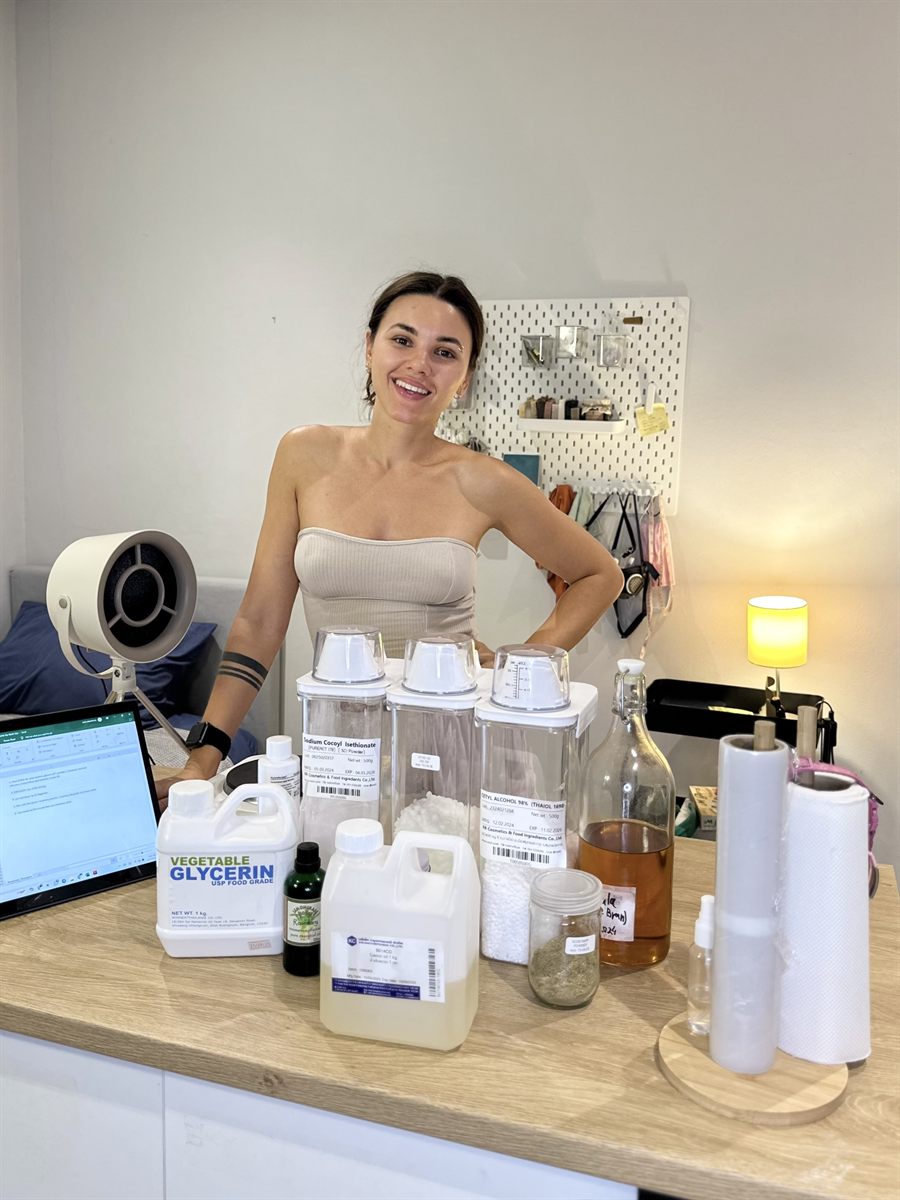
This article is for educational purposes only. It does not provide medical advice or replace professional consultation. Written by Yana, who makes and tests every ARKE formula in Phuket, Thailand.