The short answer
Baking soda fights odor well, but it's very alkaline, and some underarms don't get along with it. Redness, itching or a stinging rash are the usual complaints. I make my deodorant without it. Moisture absorbers handle the wetness, and gentler ingredients keep odor in check.
Why is baking soda in so many natural deodorants?
Baking soda (sodium bicarbonate) shows up in most homemade deodorant recipes for a good reason. It's easy to find in any kitchen, it neutralizes odor and it absorbs a little moisture. For many people it works well.
The trouble is pH. Healthy skin is slightly acidic, usually somewhere around 4.5 to 5.5 on the pH scale. Baking soda mixed with water is alkaline, around 8 to 9. That's a big jump for skin that's thin, folded, damp and rubbed by clothes all day.
Put an alkaline powder there every day and some people end up with redness, itching, darker patches or a rash that stings. Not everyone reacts, and some people only notice it after a few weeks of use.
Why I chose to leave it out
When I started formulating my own deodorant, I wanted something I could use every single day in Phuket's heat without thinking twice. In the tropics, underarms are warm and damp for most of the year. That's the setting where an alkaline powder is most likely to cause trouble.
So I built my formula without baking soda from the start. It's the formula I reach for every morning.
What does the work instead?
A deodorant has two jobs. It keeps you feeling dry enough, and it keeps odor away. Without baking soda, those jobs are shared between different kinds of ingredients.
- Moisture absorbers. Powders such as clays and plant starches soak up some of the wetness, so skin feels drier and odor-causing bacteria have less to work with.
- Odor control. Sweat itself barely smells. Odor comes from bacteria breaking sweat down. Some ingredients bind odor, others make skin a less friendly place for those bacteria.
- Skin comfort. Butters and oils help the stick glide and stop the powders from feeling dry or scratchy.
- Structure. Waxes give the stick its shape, which matters a lot in a hot bathroom.
In my guide I explain every ingredient in my formula, why it's there and what changes if you swap it. The amounts stay inside the guide, because getting that balance right is the part that took the longest.
Deodorant or antiperspirant?
This is the part people often miss. A deodorant, homemade or not, doesn't stop you from sweating. Antiperspirants use aluminum salts to block sweat ducts for a while. A natural deodorant controls odor and absorbs some moisture, but you'll still sweat, and that's your body doing its job.
If you're switching from an antiperspirant, give yourself a couple of weeks to get used to the difference. You may feel damper than usual at first.
Tips for switching
- Apply it to clean, completely dry skin. Right after a shower is ideal.
- Use a thin layer. More product doesn't mean more protection, and too much can mark dark clothes.
- Patch test first on a small area, like the inside of your elbow, and wait a day.
- Keep the stick out of direct sun and hot cars. Natural waxes and butters soften in heat.
- If your skin gets red or itchy, stop using it and let it calm down. If it doesn't settle, check with a doctor.
Is deodorant without baking soda less effective?
Not by default. A well-balanced formula without baking soda can last through a full day, and mine does in Phuket's humidity. What matters is the balance between absorbers, odor control and texture, and how you apply it.
If heat is your main worry, I wrote more about natural deodorant in hot, humid weather.
Make your own
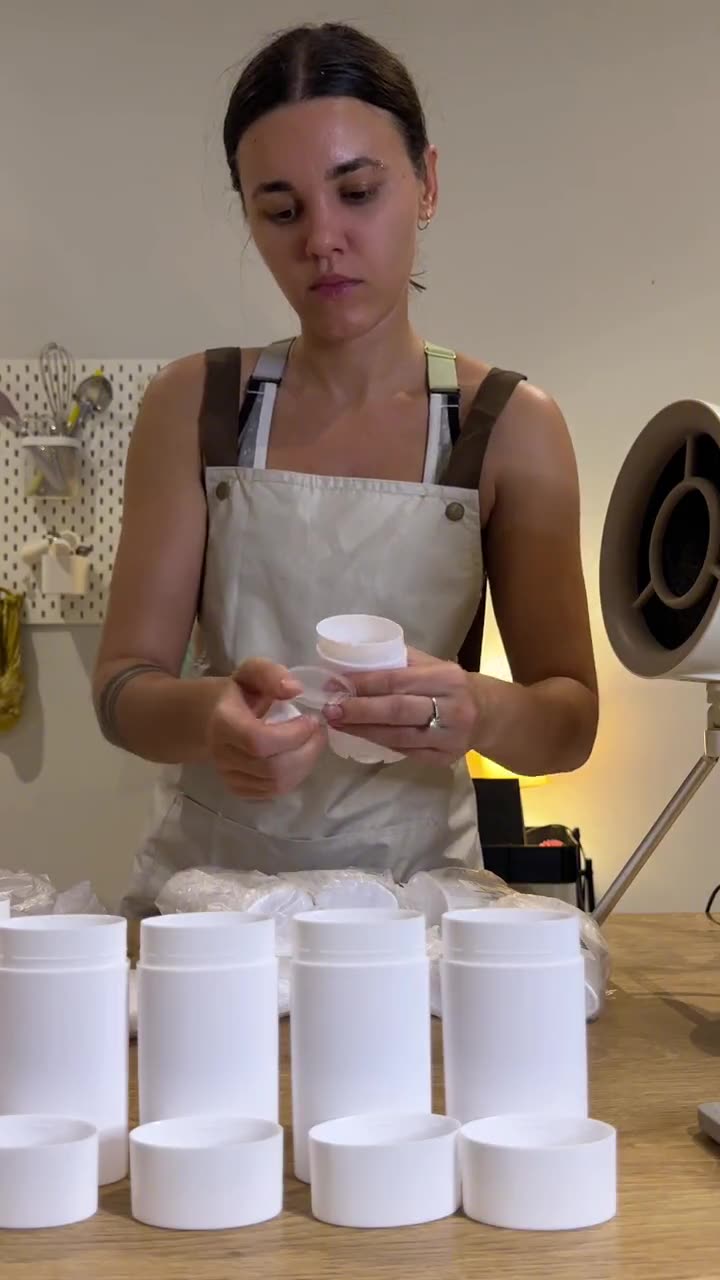
My Natural Deodorant Guide has the baking-soda-free formula I use every day, explained ingredient by ingredient, with the method and the texture tips that keep the stick smooth. New to making? Start with the free Beginner's Guide.
This article is for educational purposes only. It does not provide medical advice or replace professional consultation. Written by Yana, who makes and tests every ARKE formula in Phuket, Thailand.