
The short answer
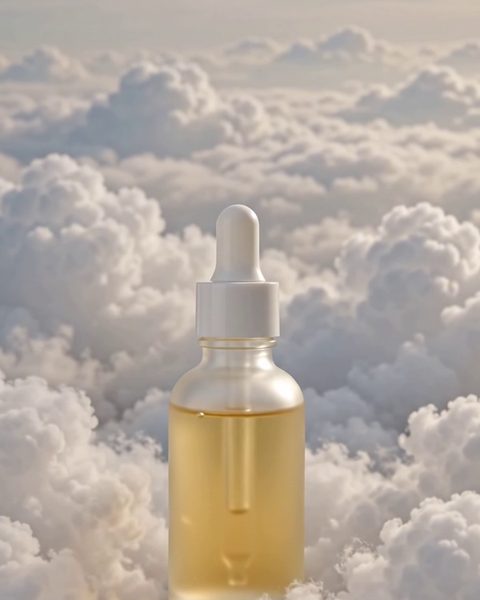
A well-made herb-infused oil for skin or hair usually keeps from several months to about a year, and the carrier oil decides most of that. Dried herbs, clean straining and a cool, dark bottle help it last longer. If it smells sharp, like crayons or old nuts, it's time to replace it.
The carrier oil decides most of it
Every oil eventually oxidizes, which is what we call going rancid. How fast depends on the fatty acids in the oil.
- Very stable. Jojoba, which is technically a liquid wax, and fractionated coconut oil keep for a long time.
- Fairly stable. Olive, sweet almond, apricot kernel and high-oleic sunflower oil are good all-rounders.
- Short-lived. Oils rich in delicate fatty acids, like rosehip, hemp or flaxseed, go off much faster.
If you want an infusion to last, choose a stable carrier oil. Delicate oils can be mixed in later, in small batches you'll use quickly.
Water is the enemy
Moisture is the biggest risk to an infused oil. Water from fresh herbs, a damp jar or wet hands can let mold and bacteria grow, sometimes without any visible sign. That's why I only infuse dried botanicals, and why every jar and bottle must be completely dry.
If you see cloudiness, fuzz or bubbles, or the oil smells sour, throw it away.
Heat and light speed things up
Heat, light and air all make oils oxidize faster.
- Store infused oils in dark glass, away from sunlight.
- Keep them somewhere cool. In the tropics, a cupboard away from the stove beats a bathroom shelf.
- Fill bottles close to the top, so there's less air inside.
- Make smaller batches you'll use within a few months.
Does vitamin E help?
Vitamin E (tocopherol) is an antioxidant. A little of it slows oxidation, so your oil stays fresh for longer. It isn't a preservative, though. It won't stop mold or bacteria if water gets in.
How to tell if your oil has gone off
- It smells sharp or bitter, like crayons, paint or old nuts.
- It feels sticky or thicker than before.
- The color has changed a lot.
- Anything is growing, floating or fuzzy.
Rancid oil isn't something you want on your skin or scalp, so when in doubt, make a fresh batch.
Write the date on every bottle
Label each bottle with the herb, the carrier oil and the date you strained it. Remember that the clock started when the carrier oil was made, not on the day you infused it, so note when you opened the original bottle too.
Make infusions that keep
My Oil Infusions guide covers drying botanicals properly, both infusion methods, straining, bottling and storage for every ARKE infusion. If you'd like a first project, start with rosemary oil for hair.
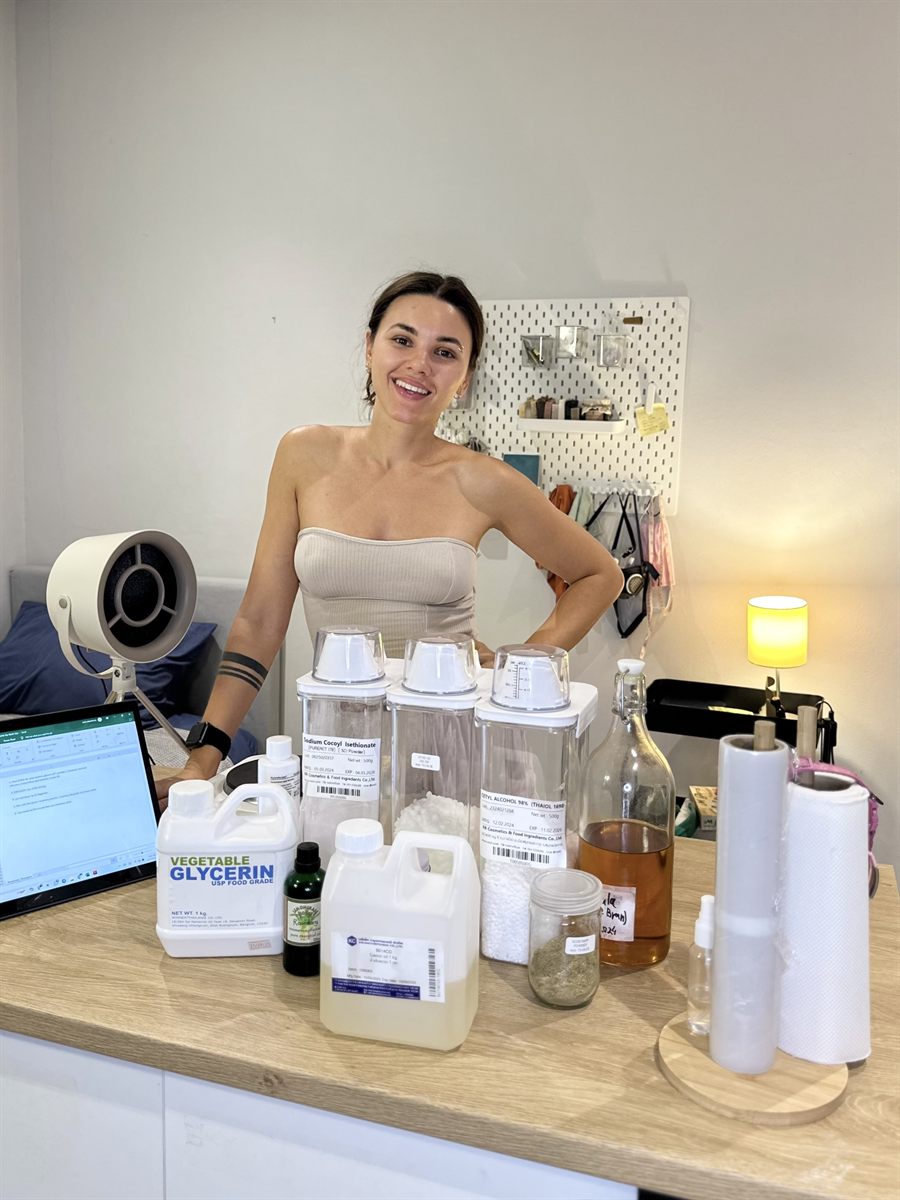
This article is for educational purposes only. It does not provide medical advice or replace professional consultation. Written by Yana, who makes and tests every ARKE formula in Phuket, Thailand.